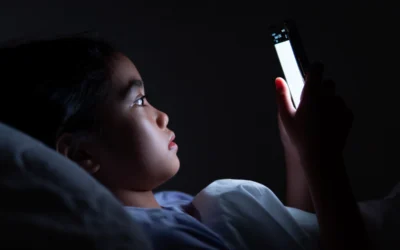
Has your child been squinting while watching TV, holding books or devices unusually close to their face, or complaining of frequent headaches after reading? These are all signs of nearsightedness, also called myopia.
Many parents know that glasses and contact lenses can correct vision, but did you know there’s a way to slow the progression of myopia? In this blog, we’ll talk about what myopia management is, how to tell if your child is a good candidate, and the benefits of early treatment.
Why myopia management matters
Myopia often progresses quickly in children because their eyes are still growing. As their prescription increases, so does the risk of developing serious eye conditions later in life, including:
- Retinal detachment
- Glaucoma
- Cataracts
- Macular degeneration
Myopia management controls how the eye grows, reducing the risk of these complications and protecting their future eyesight.
Signs your child may need myopia management
Early detection is key. Watch for these common signs of nearsightedness in children:
- Squinting to see distant objects
- Holding books, tablets, or phones too close
- Complaining of blurry vision or eye strain
- Frequent headaches after visual tasks
- Trouble seeing the board at school
If your child shows any of these signs, a comprehensive eye exam can help determine if myopia management is appropriate.
Who can benefit from myopia management?
If your child has already been diagnosed with nearsightedness, they may be a good candidate for myopia control. Even kids with mild myopia may benefit from early intervention. Myopia management can include:
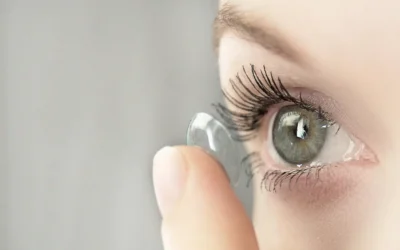
- Specialty contact lenses designed to slow eye growth
- Orthokeratology (ortho-k) lenses worn overnight
- Low-dose atropine eye drops
Our eye doctors will evaluate your child’s prescription, age, and lifestyle to recommend the best approach.
Benefits of early treatment
Myopia management does more than keep vision clear. It supports long-term eye health, reduces the rate of prescription changes, and helps children feel more confident in daily activities. Other benefits include:
- Healthier eye development by reducing strain on the retina
- Fewer prescription changes over time
- More stable vision for school, sports, and everyday life
Protect your child’s vision today
Monitoring and managing nearsightedness early can help your child maintain better vision and reduce the risk of serious eye problems in the future. During a pediatric eye exam, our experts can determine if your child is ready for myopia management and recommend a customized treatment plan.
Schedule an appointment at True Focus Eye Care today to help your child maintain healthier, clearer vision and support their eye health.