Hormones can really affect how you feel day to day, whether it’s your energy, mood, sleep, or even how your skin behaves. What many people don’t expect is that they can affect your eyes, too.
If you’ve noticed burning, stinging, watery eyes that still feel “dry,” or that contact lenses are suddenly impossible to wear, hormonal shifts may be the issue. At True Focus Eye Care in Port Richey, we often see patients who are surprised to learn that dry eye treatment can be especially important during periods of hormonal changes.
Why hormones can trigger dry eye symptoms
Your tear film is more complex than it sounds. It’s made of layers (oil, water, and mucus) that work together to keep vision clear and your eyes comfortable. Hormones (especially estrogen and androgen levels) can influence the glands that produce these layers.
When hormones shift, it can lead to:
- Less oil from the meibomian glands (so tears evaporate faster)
- Changes in tear quality (so eyes feel irritated even if they water)
- More inflammation on the eye’s surface (so symptoms linger)
That’s why dry eye may pop up seemingly out of nowhere, even if you’ve never had it before.
Common life stages where dry eye can flare up
Hormonal changes don’t look the same for everyone, but certain seasons of life tend to bring dry eye complaints to the surface.
You might notice symptoms increase during:
- Pregnancy (shifts can affect tear production and contact lens comfort)
- Postpartum and breastfeeding (ongoing hormonal adjustments plus fatigue)
- Perimenopause and menopause (often linked with more persistent dryness)
- A thyroid imbalance or other endocrine changes (sometimes paired with gritty, irritated eyes)
If your eyes started acting up around the same time as other body changes, that timing is worth mentioning to your eye doctor.
Signs your dryness might be dry eye disease
You would think dry eye means your eyes don’t make enough tears, but that’s not always the case. Many patients produce tears that don’t stay on the eye long enough or tears that don’t protect the surface well.
Relatable signs include:
- Eyes that water in the wind or A/C, yet still feel scratchy
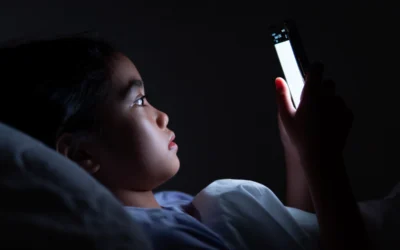
- Blurry vision that comes and goes (especially after screen time)
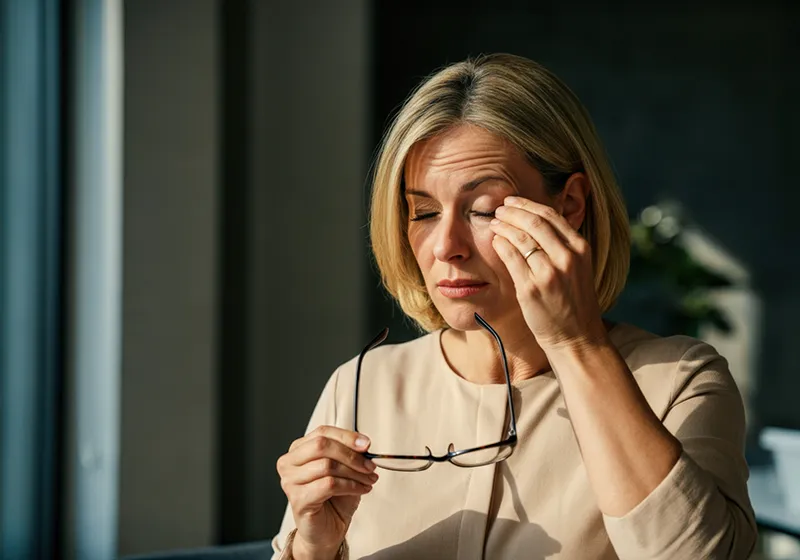
- Burning or stinging late in the day
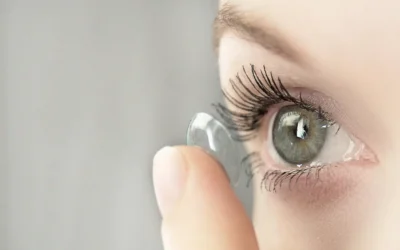
- Contact lenses that suddenly feel “too noticeable”
- Makeup or skincare products seeming to irritate your eyes more than before
How a comprehensive eye exam helps
This matters because the right plan depends on the cause. For example, watery eyes can be a dry eye sign, and treating evaporation can work better than constantly using artificial tears.
Get back to comfortable, clear-feeling eyes
Dry eye linked to hormonal changes can be distracting, tiring, and surprisingly emotional, especially if it affects your work, sleep, or confidence in your vision. Your optometrist can figure out the underlying cause and provide a treatment plan that fits your symptoms and your routine.
If your eyes have been feeling off lately, schedule an appointment at True Focus Eye Care in Port Richey to learn how you can find lasting relief.